
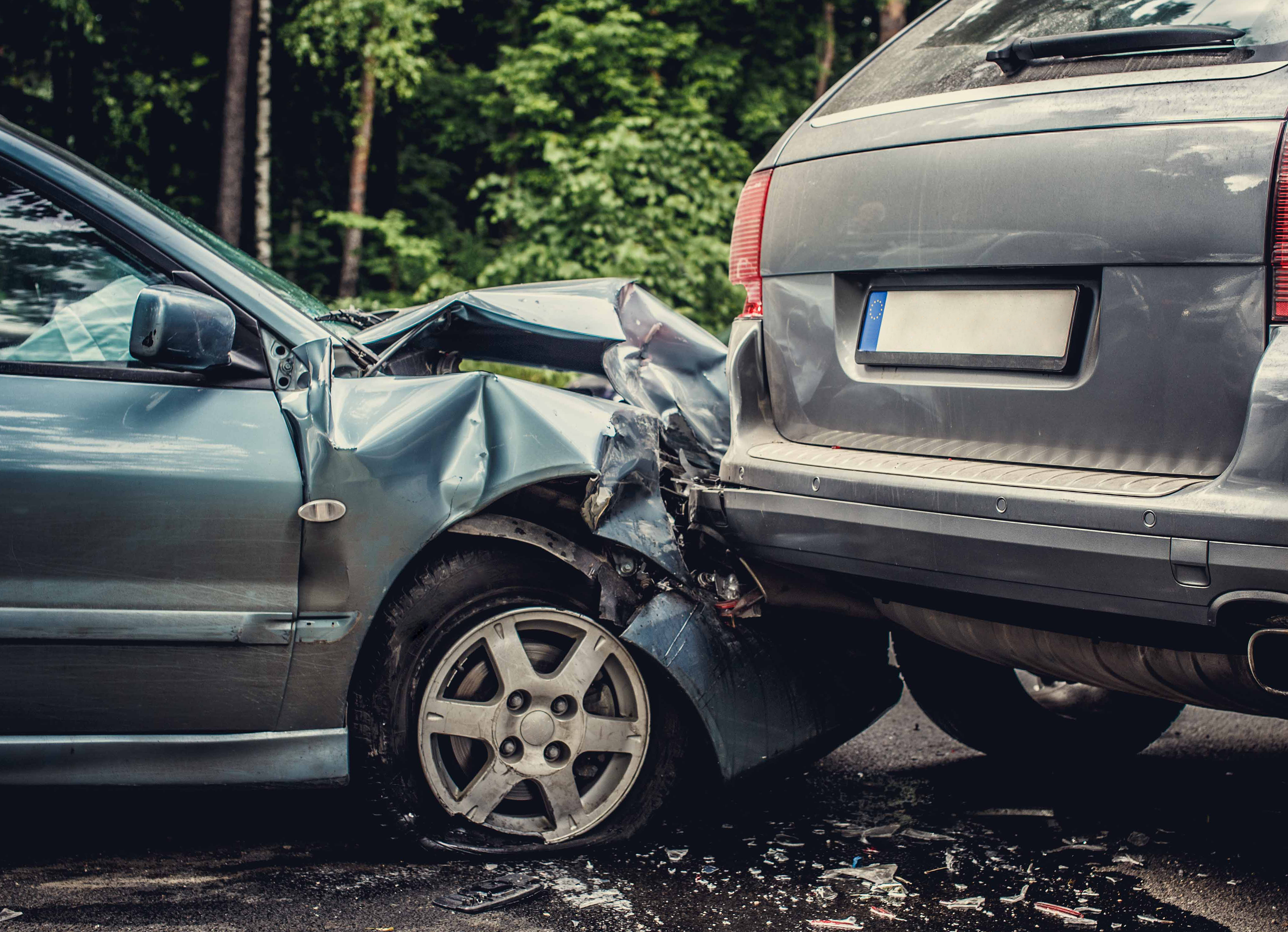
What to Do If You’re in an Accident with an Uninsured Driver
Feb 05 2026 16:00
Being involved in a car accident is never easy, but the situation becomes even more stressful when you discover the other driver doesn’t have insurance. Even though auto liability coverage is required in most states, there are still drivers who take the risk of going without it. When an uninsured driver is involved, recovering compensation for medical expenses, lost income, and vehicle damage can become more complicated—but you still have options.
Take Immediate Action After the Collision
The steps you take right after the accident can significantly affect the outcome of your claim. Start by making sure everyone is safe and checking for any injuries. Call law enforcement so they can create an official accident report, which will be important for insurance claims and any future legal action.
Collect as much information as possible at the scene. This includes the uninsured driver’s contact details, vehicle description, and any witness information. Be sure to take photos of the vehicles, visible injuries, the surrounding area, and any property damage. Once you’ve left the scene, notify your insurance company right away and provide them with everything you’ve gathered.
Because most states use an at-fault system—meaning the driver responsible for the accident must pay for the damages—your claim will depend on who is officially found at fault. That determination will guide how the rest of the process unfolds.
Using Your Own Insurance Coverage
If the uninsured driver is found to be at fault, your policy may include coverage that helps pay for your losses. Many drivers have uninsured or underinsured motorist coverage, which covers expenses like medical treatment, lost wages, and sometimes property damage when the at-fault driver doesn’t have enough insurance—or any at all.
Other optional coverages may also come into play. Collision coverage, for instance, helps pay for repairs to your vehicle no matter who caused the accident. Personal injury protection (PIP), offered in some states, can help cover medical bills and related costs regardless of fault. These types of coverage can be incredibly helpful when the other driver has no insurance, offering financial support while you recover.
If your policy doesn’t include these optional protections, your ability to receive compensation through insurance alone may be limited. However, that doesn’t mean you’re out of options.
Considering Legal Action
Sometimes, pursuing a lawsuit against the uninsured driver is the next step in recovering your damages. Filing a claim in court may allow you to seek repayment for medical expenses, property damage, and even pain and suffering. This route can be effective when the other driver has income, property, or other assets that could be used to satisfy a settlement or court judgment.
That said, legal action isn’t always the best choice—especially if the uninsured driver lacks the financial resources to pay the amount owed. A knowledgeable car accident attorney can review your case, evaluate the other driver’s ability to compensate you, and help you decide whether pursuing a lawsuit is worthwhile. They can also guide you on documenting your injuries and losses to build a strong claim.
What to Do After a Hit-and-Run
Hit-and-run collisions follow a similar process to accidents with uninsured drivers. Since the at-fault driver cannot be identified, your uninsured motorist coverage often applies here as well. Make sure to file a police report as soon as possible and contact your insurance carrier to open a claim. The more information and documentation you can provide, the easier it will be to move forward.
Why Working with an Attorney Matters
Dealing with an uninsured driver can be overwhelming, especially when you’re juggling medical appointments, vehicle repairs, or time away from work. Partnering with an experienced attorney can help simplify the process. They can communicate with your insurance company, negotiate on your behalf, and ensure your rights are protected at every step.
An attorney can also help you understand your coverage, determine the best path for compensation, and avoid mistakes that could impact your claim. With the right support, you can focus on healing while someone else handles the legal and insurance details.
Taking Control After an Uninsured Driver Accident
While accidents involving uninsured drivers can create added stress, knowing what steps to take can make all the difference. By acting quickly, understanding your insurance options, and seeking professional guidance when needed, you put yourself in the best position to recover the compensation you’re entitled to and reduce the financial burden of the incident.